
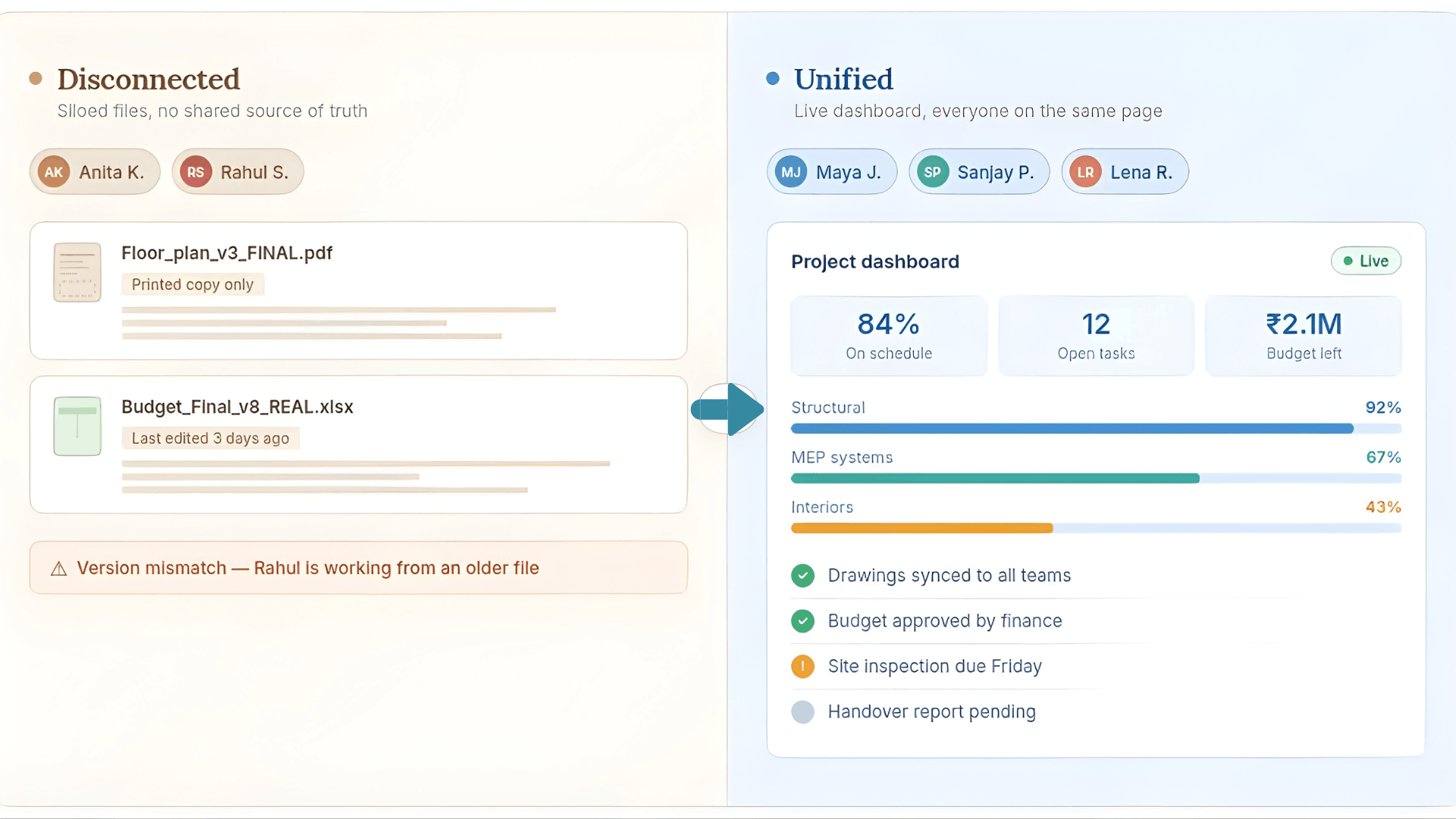
The modern digital engineering environment is such that organizations have to deal with a lot of data in BIM models, technical documentation, and other business systems such as ERP and PLM. However, the challenge lies in the fact that the data is in silos. The concept of having a single engineering data model with the aid of AI will enable the seamless integration of the data. This has become a necessity for organizations seeking digital transformation and digital twin
Why a Unified Engineering Data Model is Critical?
It is essential to develop a unified engineering data model to address the inefficiencies that occur in the process as a result of fragmented systems. The main inefficiencies in this process are the lack of consistency in design data, rework in the process, lack of traceability in the process, and lack of collaboration among all teams involved in the process. A unified engineering data model can help develop a single source of truth in this process. The main data sources to be integrated are BIM models with 3D geometry and metadata, engineering documents such as PDF, drawings, reports, enterprise systems such as ERP, PLM, EAM, which contain vital information about costs, life cycles, and assets.
How AI Enables Engineering Data Integration
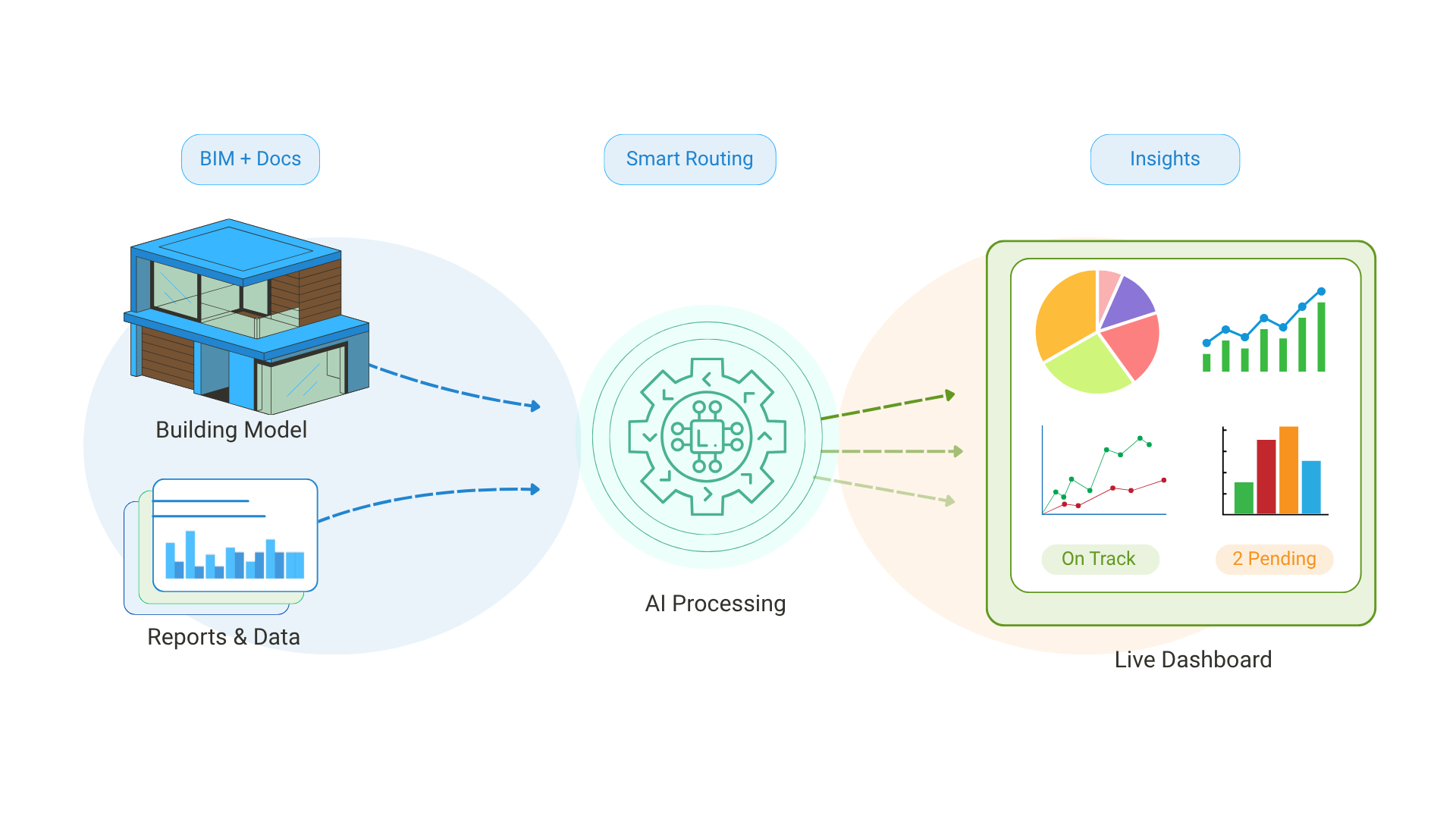
This enables the intelligent extraction of data from the documents based on technical specifications, requirements at the clause level, and engineering parameters through NLP models. This can also be utilized for semantic relationship identification between BIM objects and ERP cost codes, documents, and physical assets, design elements and standards, thereby paving the way for the engineering knowledge graph. AI can be utilized for entity recognition, which enables data identification for equipment, materials, vendors, and contracts through AI-powered entity recognition. This will enable better searchability and traceability. AI can be utilized for data normalization based on standardized naming conventions, units, and data formats, as well as alignment with ISO 19650 data management principles.
Step-by-Step Framework to Build a Unified Data Model
| Define a Common Data Model (CDM) Create a scalable schema that defines:
|
Integrate BIM, Documents, and Enterprise Systems Use APIs and connectors to unify:
This step is key for successful engineering data integration. |
Apply AI for Data Structuring Leverage AI to:
|
| Build a Knowledge Graph A knowledge graph for engineering connects:
This enables contextual intelligence and advanced analytics. |
Implement Data Governance Ensure :
|
Enable Real-Time Data Synchronization Maintain consistency by:
|
Benefits of a Unified Engineering Data Model
This enables significant benefits to be realized, such as improved decision-making based on connected data in real-time, reduced rework and errors resulting from inconsistencies between BIM, documents, and ERP systems, improved compliance with standards such as ISO 19650, and improved traceability for assets, documents, and decisions throughout the entire lifecycle.
In addition to that, it can be used as a means to deliver digital twin projects, which involve advanced simulation and operation intelligence. However, there are some challenges that come with developing a data model such as this, and these challenges include data silos in legacy systems, integration complexity, data quality issues, and change management challenges, hence the need for an effective AI & Data Strategy.
Conclusion
The foundation of digital engineering in the modern world is the unified data model in engineering using AI. BIM integration, document integration, and enterprise system integration can help us reach new heights of efficiency, intelligence, and scalability. This is not just an upgrade for EPCs, infrastructure companies, and manufacturing companies; this is a competitive advantage.