

Home / Customer Success Stories
In dynamic realm of architectural design and construction, Bureau Veritas emerges as a global leader dedicated to ensuring that every edifice meets the highest standards.
In the dynamic realm of architectural design and construction, where precision and compliance reign supreme, Bureau Veritas emerges as a global leader dedicated to ensuring that every edifice meets the highest standards. This commitment, while noble, often presents challenges that demand innovative solutions. In this illuminating #2 Success Story, we delve into how Bureau Veritas harnessed the prowess of automation to streamline the intricate process of building compliance verification, reshaping their operations, and creating a more accessible world.
For an organization like Bureau Veritas, standards and compliance aren’t mere buzzwords; they’re the bedrock of their reputation. However, ensuring compliance with a labyrinth of regulations and guidelines is no small feat. The validation and certification provided by Bureau Veritas play a pivotal role in enhancing an organization’s credibility and attracting discerning clients. Yet, compliance verification posed a significant challenge, demanding rigorous checks across various dimensions, including safety, quality, efficiency, and sustainability.
In the face of this challenge, Bureau Veritas recognized that automating compliance verification could herald a new era of efficiency. This automated approach promised real-time monitoring, swift data scanning, and instantaneous alerts for non-compliance, allowing facilities to safeguard their reputation, meet legal obligations, and maintain sky-high standards.
Within the vast tapestry of building compliance, Bureau Veritas embarked on two distinct journeys:
For their ‘Buildings & Infrastructure’ division in France, the goal was to streamline the meticulous process of verifying compliance with diverse building standards. Manual checks were the norm, scrutinizing elements such as height, floor count, and wall layers. Additionally, this French team had the arduous task of confirming intricate details like wall construction accuracy, sprinkler placement, and the functionality of exit stairs and doors.
On the other side of the Atlantic, the North American unit focused on an equally crucial aspect of compliance – accessibility. Their mission was to automate checks that ensured buildings were seamlessly navigable for individuals with mobility challenges, such as those reliant on wheelchairs. This involved assessing factors like ramp inclines, accessible parking spaces, and the fluid movement between floors, particularly in healthcare settings.
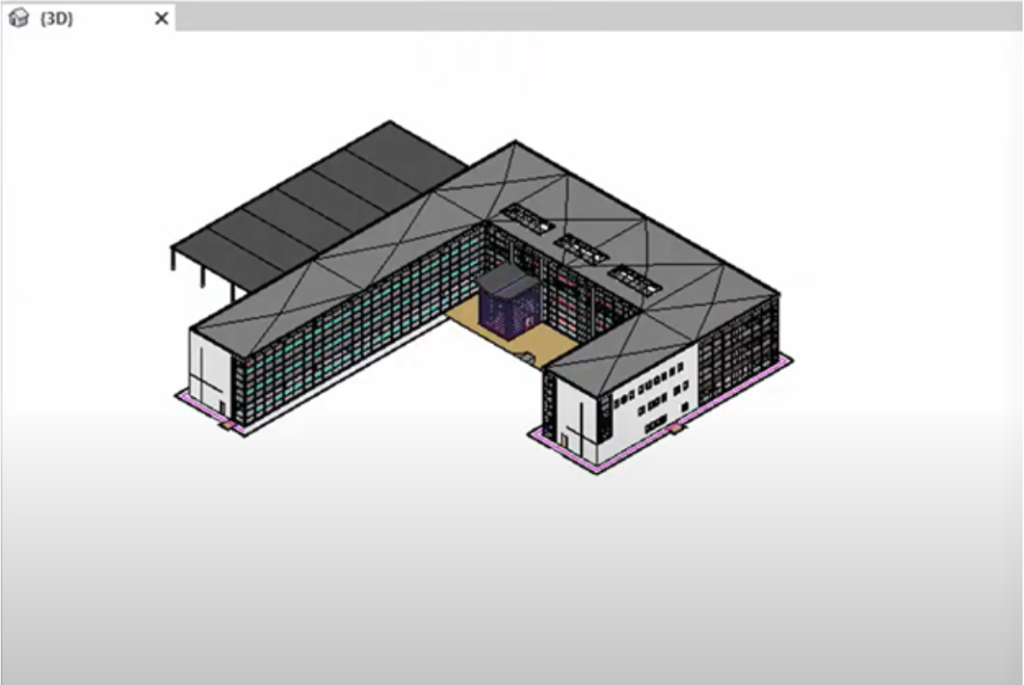
The quest for a streamlined compliance verification process culminated in the creation of an automated checker, designed to revolutionize the way Bureau Veritas approached compliance assessment. At the heart of this transformation was Revit, a versatile and powerful tool that introduced a rule-based approach to modeling.
Revit became the conduit through which compliance checks transcended manual limitations. Models were imported, and the magic of automation was set in motion with the activation of specific rules. The results were a visual representation of compliance – areas passing the checks were adorned in vibrant green, while those needing attention were adorned in cautionary red. This intuitive interface empowered users to swiftly identify deviations, initiate improvements, and ensure accuracy – all within a fraction of the time it would have taken through manual checks.

Retain existing business practices

Automate migration & integration with customization

100% PLM adoption

Go-live in 90 days

Enhance productivity & business processes
The ramifications of automation reverberated across the corridors of Bureau Veritas. By liberating their teams from labor-intensive manual checks, the organization witnessed a surge in productivity and efficiency. The French and North American divisions were now unburdened, able to divert their energies toward tasks of paramount significance.
The integration of Revit’s rule-based modeling heralded a new era of compliance verification. Iterative enhancements flowed seamlessly, with necessary modifications made until the model aced all compliance checks. This not only expedited the process but also ensured that buildings surpassed even the most rigorous standards, resulting in structures of unparalleled quality and accessibility.
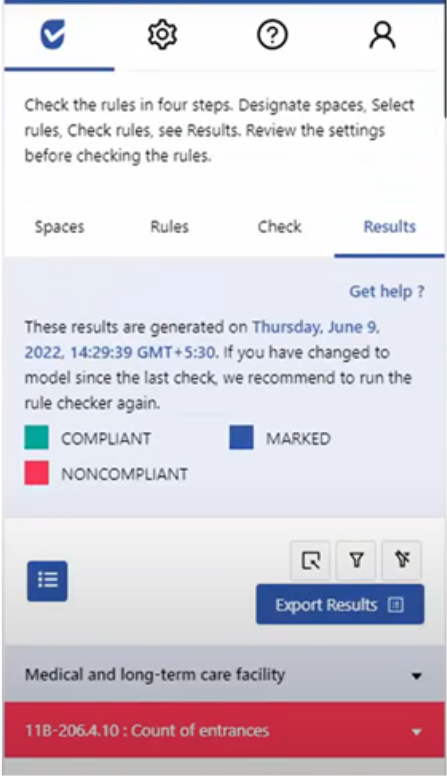
In the realm of architectural compliance, Bureau Veritas stands tall as a testament to innovation. The transition from manual checks to an automated verification system is a testament to the transformative potential of technology. By embracing Revit’s rule-based modeling, they harnessed efficiency, accuracy, and accessibility, reshaping the very landscape of compliance verification.
The success story of Bureau Veritas underscores a fundamental truth: Innovation is a collaborative symphony. It is the harmonious blend of advanced technologies, expert insights, and a relentless pursuit of excellence. Through this orchestration, Bureau Veritas has not only streamlined their operations but also etched their name in the annals of compliance verification.
© 2006 – 2026 Copyright, Centre for Computational Technologies Pvt. Ltd. All rights reserved.